
The Dirtiest Game in Construction

We’ve seen it time and again: a potential client contacts our team to help design a remodel or new construction project. They’ve even done some homework and gotten pricing from a few contractors and have their favorite picked out.
The problem is that the contractors put those bids together based on some assumptions about what the client might end up doing. Since our team hasn’t actually created a floor plan, made finish and fixture selections, or detailed any millwork, the bids offered are base numbers, full of what they call “allowances.”
Allowances are guesses.

(Internal monologue of the contractor:)
How much should I allow the client to spend on tile? A nice porcelain would work. Not a high-end one, not a colorbody one. I’m going to give them an allowance of $4 per square foot installed to cover labor and materials. That’s fair. That gives them the budget for materials and labor, and I take a cut of both.
The problem is that you’re not going to love any tile that’s under $4/sf. You’re going to fall in love with a $54/sf tile. The next big problem is that the contractor is not going to split the difference of that price with you, even though they provided a number that was just a sweeping assumption.
How it plays out
Let’s go back to the beginning.
You get a bid. The total is a lot, but it's a number you can live with. Somewhere in there is a handful of allowances for plumbing fixtures, lighting, hardware, countertops, and flooring. The numbers look reasonable, and nobody explains them, so you sign.
From that moment, the total becomes "the budget,” and those numbers are concrete.

A few months later, demo is done and the crew needs selections - now. There's no time to compare those allowances to the real prices of the things you’d actually select for your home, and there’s certainly no time to negotiate with the contractor. You either stick to the allowance or pay the overage.
Either way, you’re unhappy.
The rest of the project plays out in a similar fashion for everything else that needs to be selected: pony up the money for the difference in price, or settle for something you didn't want in a house you're slowly spending a fortune on. Either way, the number is the one you already agreed to. It's like reading the terms and conditions after you've clicked "I agree."
Where those numbers come from

Now, let me give contractors a break here. They aren’t the villain. When a contractor is asked to bid a project with no design to study, they reach for whatever they have: a standard figure, the last job's figure, or a figure low enough to keep the bid competitive.
In their defense, a $4/sf tile allowance can be perfectly sensible in a builder-grade spec house and pure fiction in yours. That's the part that frustrates designers and clients the most: the client ends up trapped by numbers that were pulled from thin air.
Allowances also make bids impossible to compare. Three contractors make three different sets of guesses, and the lowest bid just has the lowest guesses. The really sad part? Clients assume all three contractors can do the same quality of work, and they choose the least expensive contractor.
A more professional approach
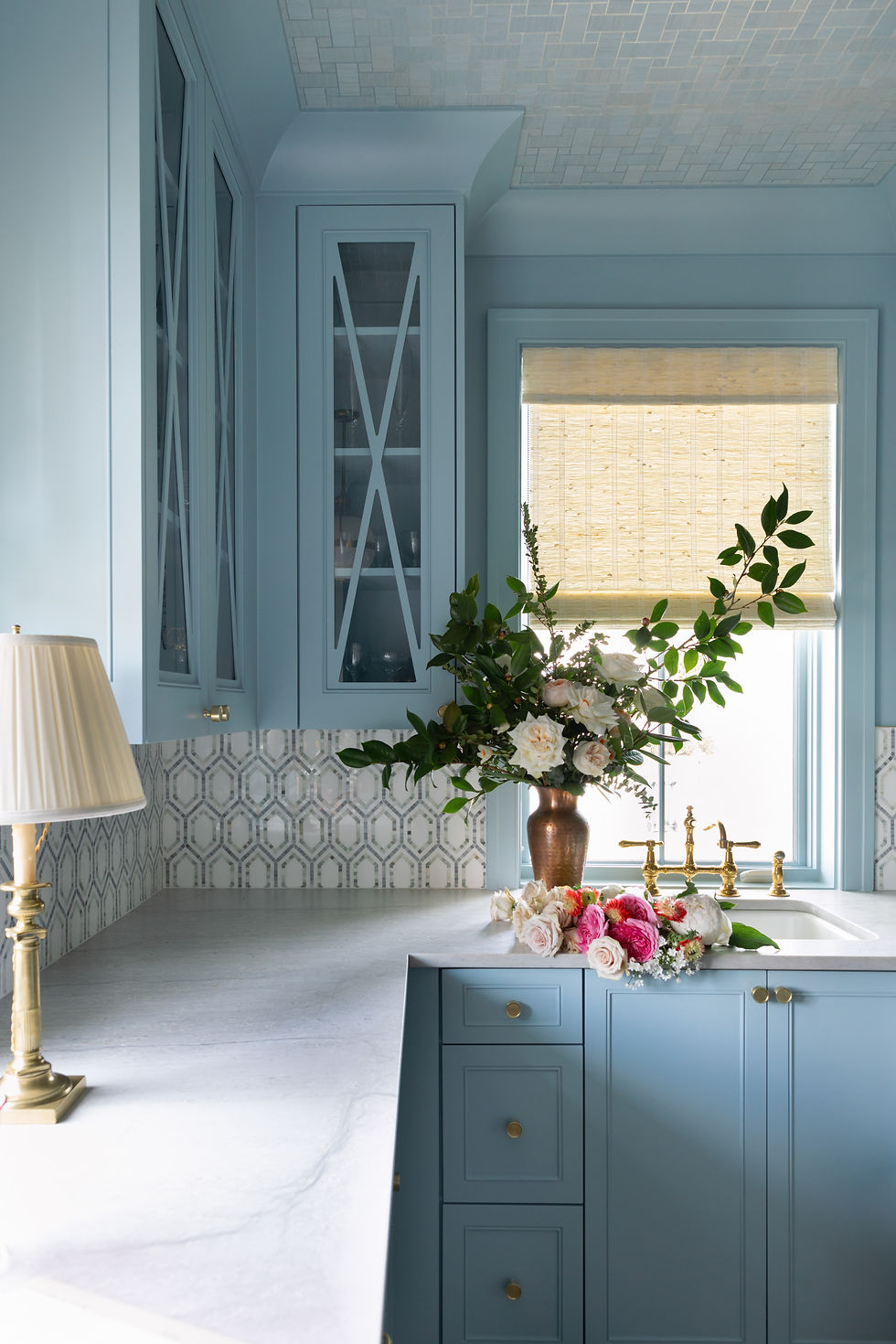
To price a new model, a car manufacturer needs a complete design, one that has been revised and agreed upon by all parties involved. Construction is no different. We recommend making the design the first step, incorporating your preferred revisions, then submitting it to contractors for estimates. Here’s why:
We design the whole project. Plans, elevations, cabinetry, and every finish selected and specified: tile, stone, plumbing, lighting, hardware.
We put that design out for bids. Every contractor prices the same drawings and the same selections.
You compare real numbers. When the bids differ, they differ on workmanship, schedule, and approach, not on whose guess was lowest.
Any allowance that stays is deliberate. If something is still being sourced (which rarely happens in our projects), the contractors have no choice but to leave an allowance, and you know why it's there.
The $54/sf tile you love is in the specifications from day one. Estimates will more than likely be higher than bids built on guesses. However, it saves the client from the devastating realization that the low number they agreed to is falling apart every time they try to make a decision.
The best contractors prefer working this way too. They get to build instead of guessing, and nobody ends the project annoyed with anybody.
What changes for you
Design happens on paper, before you settle on a final number
Selections get made with your designer, not on a deadline with a crew waiting
The number you agree to accurately reflects the house you envisioned

Already holding a bid? Not to worry! We routinely advise clients to pump the brakes before allowing demo to begin if they’re willing to take the more professional route forward. This method saves everyone the frustration that comes with realizing at the end of a project that you’d have done everything differently if you’d known from the beginning what you were actually going to end up spending.


Comments